
Introduction
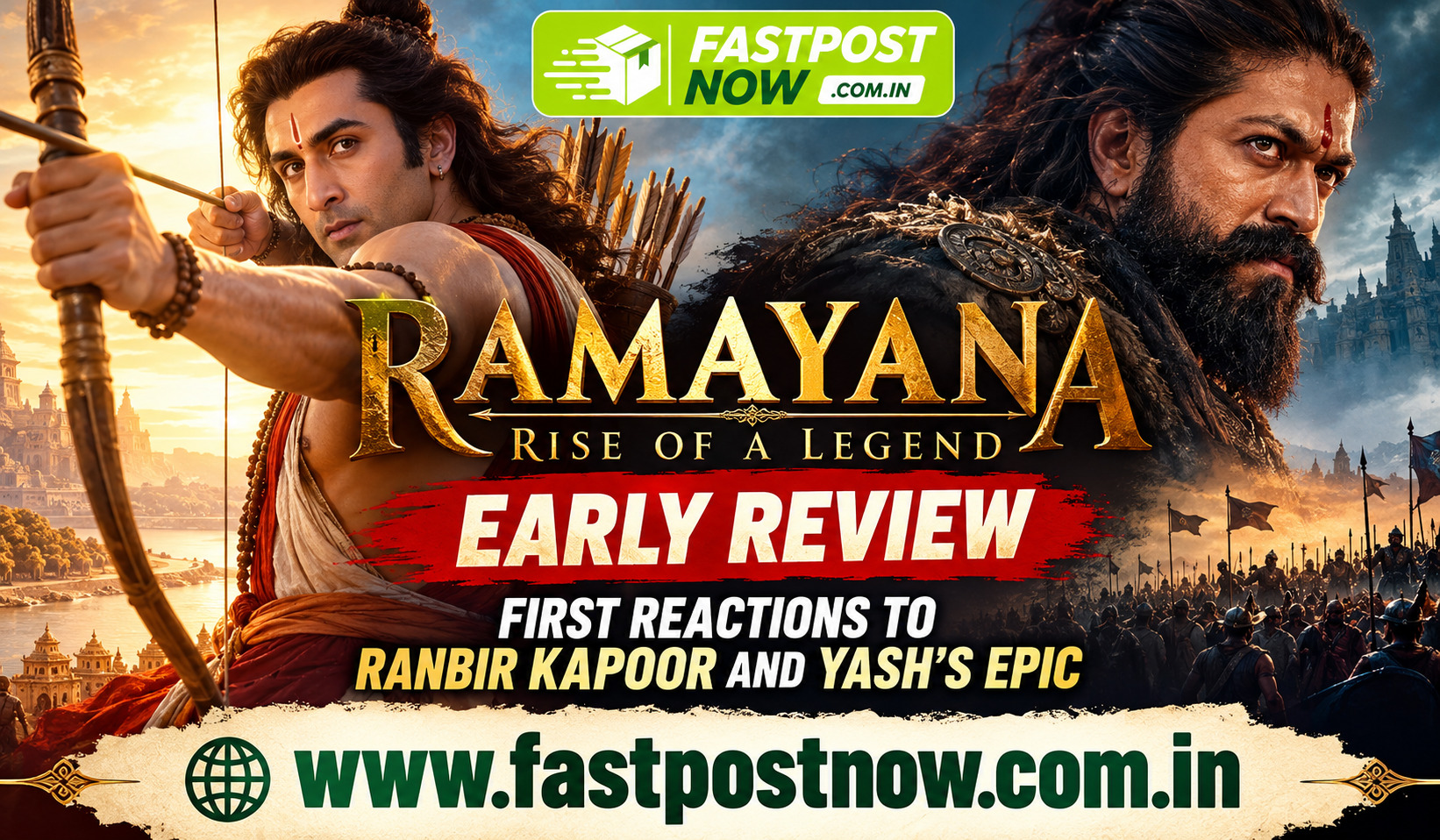
The excitement surrounding Ramayana: Rise of a Legend continues to grow as audiences look forward to seeing one of India’s most celebrated epics brought to life on the big screen. With Ranbir Kapoor associated with the role of Lord Rama and Yash expected to portray Ravana, the film has attracted attention from Bollywood fans, mythology enthusiasts, and viewers interested in large-scale Indian cinema. Its ambitious subject and high-profile cast have also raised expectations for its visual presentation, storytelling, and performances.
If you are searching for a Ramayana: Rise of a Legend Early Review, you probably want to know whether this ambitious adaptation has the potential to deliver a memorable cinematic experience. You may also be curious about the first reactions, the performances, the scale of the production, and how the filmmakers might balance traditional storytelling with modern filmmaking techniques.
However, it is important to separate confirmed information from speculation. Without verified early screenings or attributable critic reviews, you should treat online claims about audience reactions as unconfirmed. Rather than presenting rumours as established facts, this preview explores the film’s appeal, its central performances, the expectations surrounding its epic narrative, and the elements you should watch for when reliable reviews become available.
Ramayana: Rise of a Legend Early Review: What You Should Know
The official title of the first instalment was announced in September 2026, and the film is scheduled to arrive in cinemas worldwide on November 5, 2026. Directed by Nitesh Tiwari and produced by Namit Malhotra, the project is planned as a two-part cinematic adaptation of the ancient Indian epic.
The promotional material has introduced the film’s central characters and highlighted its large-scale visual ambitions. However, as the theatrical release approaches, you should distinguish reactions to promotional footage from reviews of the complete movie.
The central question is whether the filmmakers can combine spectacular visuals with the emotional depth, spiritual significance, and moral complexity that make the Ramayana meaningful across generations.
Shraddha Kapoor’s Eetha Film Details
First Reactions: What the Promotional Footage Suggests
A grand cinematic presentation
The first glimpses released by the makers introduced audiences to the film’s mythological setting and offered a look at Ranbir Kapoor as Rama and Yash as Ravana. The promotional campaign has emphasised a visually ambitious interpretation of the epic, designed to appeal to Indian audiences and international moviegoers.
If you have watched the promotional footage, you can assess its presentation, character designs, atmosphere, and visual style. These elements provide an early indication of the filmmakers’ approach, although they cannot establish whether the complete movie delivers a satisfying experience.
The project’s international ambitions are also reflected in its planned IMAX and premium large-format screenings. Such presentation formats could make expansive landscapes, elaborate settings, and major confrontations more immersive when executed effectively.
Nevertheless, impressive promotional images alone cannot guarantee strong storytelling. You will need to see how the finished film connects its spectacle with the characters’ emotional journeys.
Are early reviews available?
As of October 29, 2026, the film has not yet reached its announced theatrical release date. Therefore, you should be cautious about articles or social media posts claiming to offer definitive reviews of the complete movie unless they identify a verifiable advance screening and an attributable reviewer.
The distinction matters because a teaser reaction is not the same as a full-film review. Promotional material can generate excitement, but it reveals only a limited portion of the finished production.
For now, the most useful approach to a Ramayana: Rise of a Legend Early Review is to examine the confirmed cast, creative team, narrative direction, and expectations established by the official promotional campaign.
Ranbir Kapoor as Lord Rama: A Performance Under the Spotlight
Ranbir Kapoor’s portrayal of Lord Rama is one of the film’s biggest talking points. Known for playing emotionally complex characters in films such as Rockstar, Barfi! and Animal, Kapoor now faces the challenge of portraying a revered figure whose appeal extends beyond conventional heroism.
Rama is traditionally associated with duty, compassion, integrity, self-restraint, and adherence to dharma. Consequently, the performance requires more than physical confidence or a commanding screen presence.
Why emotional depth matters
You should look for how Kapoor communicates Rama’s inner conflicts. The character must navigate difficult decisions involving family, responsibility, exile, separation, and the consequences of fulfilling his commitments.
A convincing portrayal would balance strength with gentleness. Rather than relying exclusively on dramatic speeches or action sequences, Kapoor needs to communicate the character’s values through his expressions, interactions, and decisions.
His previous experience with emotionally demanding roles may prove useful. However, you should reserve judgment until you can evaluate the complete performance in context.
The filmmakers also face the challenge of making Rama accessible to viewers who already know the story while giving newcomers a clear understanding of his motivations.
Yash as Ravana: The Film’s Powerful Antagonist
Yash brings a different kind of anticipation to the project. His performances in the KGF films established his association with larger-than-life screen characters, making his casting as Ravana particularly interesting for audiences familiar with his work.
However, Ravana is not simply a conventional villain. In the traditional epic, he is a powerful king associated with extraordinary knowledge, ambition, pride, and destructive choices. His complexity provides an opportunity for a compelling antagonist rather than a character defined only by evil.
What you should expect from Yash
The performance will need to establish Ravana’s authority and intelligence while revealing the flaws that contribute to his downfall. His confidence should feel convincing, but the character also needs emotional and psychological depth.
The eventual confrontation between Rama and Ravana could become one of the film’s defining elements. Its impact will depend on whether the story establishes both characters’ motivations and makes their conflict feel consequential.
Yash’s established screen presence gives the casting considerable appeal. Even so, the effectiveness of his interpretation will depend on the writing, direction, dialogue, and character development.
Sai Pallavi and the Importance of Sita’s Character
Sai Pallavi plays Sita, a central figure whose role extends far beyond the events surrounding her abduction and rescue. Her character represents courage, dignity, resilience, and moral conviction within the epic’s broader narrative.
For the adaptation to succeed, Sita needs a meaningful presence throughout the story. You should look for scenes that communicate her personality, relationships, and decisions rather than treating her solely as a figure whose experiences motivate the male characters.
Pallavi’s performance could contribute significantly to the emotional foundation of the film. Her character’s relationship with Rama is particularly important because it gives the larger mythological narrative a personal dimension.
The supporting cast also includes Ravi Dubey as Lakshmana and Sunny Deol as Hanuman. Their characters bring additional emotional and dramatic possibilities to the story, from Lakshmana’s loyalty to Hanuman’s devotion, courage, and service.
Together, these roles can help establish the relationships that make the epic more than a sequence of spectacular confrontations.
Visual Effects, Cinematography, and Music
One of the major expectations surrounding Ramayana: Rise of a Legend concerns its technical presentation. The production is associated with DNEG, the visual-effects company known for work on major international films, including Dune and Interstellar.
The music also brings together A. R. Rahman and Hans Zimmer, creating considerable interest in how the score might combine Indian musical traditions with an expansive orchestral approach.
Can the visuals match the scale of the story?
The Ramayana includes forests, royal settings, extraordinary journeys, supernatural elements, and epic battles. Bringing these elements together convincingly requires careful coordination between visual effects, production design, cinematography, sound, and editing.
You should look beyond the size of the images when evaluating the finished film. The strongest visual sequences will support the story, establish a sense of place, and help you understand the characters’ experiences.
Similarly, the soundtrack should strengthen emotional moments rather than overwhelm them. Music can make a scene memorable, but its effectiveness depends on how naturally it works with the performances and pacing.
The combination of experienced technical teams creates promising possibilities. Still, the finished film must demonstrate that these elements work together as a coherent cinematic experience.
Storytelling: Can the Film Respect the Original Epic?
The Ramayana has been retold through literature, theatre, television, regional traditions, and cinema. Consequently, you may approach this adaptation with your own expectations about its characters, events, and underlying values.
The filmmakers face a difficult balancing act. They need to make the story accessible to contemporary audiences without losing the qualities that have sustained its cultural importance.
The film’s official synopsis centres on Rama’s sacrifice, Ravana’s desire for vengeance, and the destinies that bring the two characters into conflict. This provides a foundation for a dramatic narrative built around duty, love, ambition, and moral choices.
However, the quality of the storytelling will depend on execution. Important moments need enough space to develop, relationships should feel convincing, and major conflicts should emerge from the characters’ decisions.
Because the project is planned as a two-part adaptation, you should also consider how effectively the first instalment establishes its world and delivers a satisfying narrative arc. A larger franchise benefits from continuity, but each film still needs meaningful emotional and dramatic resolution.
Key Details About Ramayana: Rise of a Legend
| Detail | Information |
| Official title | Ramayana: Rise of a Legend |
| Director | Nitesh Tiwari |
| Producer | Namit Malhotra |
| Ranbir Kapoor | Rama |
| Yash | Ravana |
| Sai Pallavi | Sita |
| Ravi Dubey | Lakshmana |
| Sunny Deol | Hanuman |
| Music composers | A. R. Rahman and Hans Zimmer |
| Release date | November 5, 2026 |
| Format | Theatrical release, including IMAX and premium formats |
The film is the first instalment of a planned two-part cinematic adaptation, with the second instalment planned for 2027.
Ramayana Advance Booking Collection
FAQs About Ramayana: Rise of a Legend
1. What is Ramayana: Rise of a Legend about?
The film adapts the ancient Indian epic, following Rama’s journey and the conflict involving Ravana, with themes of duty, sacrifice, love, and destiny.
2. Who plays Lord Rama and Ravana?
Ranbir Kapoor plays Rama, while Yash portrays Ravana in the upcoming mythological epic.
3. When will Ramayana: Rise of a Legend release?
The film is scheduled for a worldwide theatrical release on November 5, 2026.
4. Is the early review of Ramayana: Rise of a Legend positive?
Definitive critical judgments should wait until verified reviews of the complete film are available; reactions to promotional footage alone cannot establish its overall quality.
5. Who is directing Ramayana: Rise of a Legend?
Nitesh Tiwari directs the film, which is produced by Namit Malhotra as the first instalment of a planned two-part adaptation.
Conclusion
The anticipation surrounding Ramayana: Rise of a Legend comes from its celebrated source material, prominent cast, experienced creative team, and ambitious cinematic presentation. Ranbir Kapoor’s portrayal of Rama and Yash’s interpretation of Ravana are central attractions, while Sai Pallavi and the supporting cast could provide the emotional depth needed to bring the epic’s relationships to life.
For you as a prospective viewer, the most important consideration is whether the film combines its visual ambition with thoughtful character development and meaningful storytelling. Impressive effects and a powerful soundtrack can enhance the experience, but they cannot replace emotional authenticity or a well-structured narrative.
Ultimately, the most reliable review will come when audiences can experience the complete film. Until then, the early promotional material offers reasons for curiosity, not a final verdict. If the filmmakers successfully balance spectacle, cultural significance, and compelling performances, Ramayana: Rise of a Legend could become a major cinematic event for audiences in India and beyond.